Uganda’s Rhino Haven
Uganda’s Rhino Haven
Overview and history of Ziwa Rhino Sanctuary
Due to heavy poaching, habitat loss and little or no efforts in conserving wildlife, the entire population of rhinos was wiped out in the early 1980s, leaving Uganda with no rhinos for many years. In 2005, the Ziwa Rhino Fund initiated the creation of the Ziwa Rhino Sanctuary as a safe haven for rhinos, dedicated to their protection and reintroduction into the wild. Four of the six rhinos were sourced from Kenya and the other two from Disney Animal Kingdom in the United States of America in Florida. These were carefully introduced into the sanctuary where they could roam freely and be monitored in a protected environment. Today, the sanctuary is home to over 30 rhinos and is the only place where rhinos can be tracked in Uganda. The Ziwa Rhino sanctuary is located in Nakasongola district north of Kampala and it provides an opportunity for conservation education and unique wildlife experiences for tourists.
Rhino tracking
As the name suggests, rhino tracking is the primary activity carried out at the sanctuary and it involves walking through the sanctuary with an experienced guide, getting up close to the rhinos in their natural habitat. Rangers share their expertise about rhino behaviour, conservation efforts and history of the sanctuary as they guide tourists. The activity can take about 1-2 hours or more depending on the location of the rhinos. Before embarking on the expedition, all participants are given detailed briefing which includes, safety instructions, what to wear, rules and regulations. The activity is usually done early in the morning or late in the afternoon when the animals are most active.
Types of rhinos
Specifically, there are two rhino species native to Africa, namely; white rhinos and black rhinos, while other rhino species; Indian rhinos (also known as the one horned rhinos), Javan rhinos and Sumatran rhinos are found in Asia.
White rhinos
These are the largest among the rhino species with broad square-shaped mouth designed for grazing on grass. Their name ‘white’ comes from the Dutch word ‘wijde’ meaning wide, in reference to their broad mouth, not their colour. Typically, their colour ranges from grey to light brown. They are found primarily in the grasslands and savannahs of southern and eastern Africa, particularly in South Africa, Namibia, Zimbabwe, Kenya and Uganda.
Black rhinos
Notably, these are smaller in size compared to the white rhinos and have a pointed hook-shaped mouth, which is adapted for browsing bushes and trees, their skin folds are less pronounced compared to the white rhinos. Their colour ranges from darker grey to brown and they are typically found in savannahs, woodlands and scrublands in Africa, particularly Kenya, Tanzania, South Africa, Namibia and Zimbabwe. Black rhinos are more solitary and territorial compared to the white ones and are more aggressive and quicker to charge if they feel threatened.
Indian rhinos (also known as the one horned rhinos)
On the other hand, Indian rhinos are large and stocky, easily recognisable by their single horn and thick, armour-like skin appearance, greyish-brown in colour. They are mostly found in the sub-Himalayan region of India, Nepal and Bhutan, particularly in grasslands and wetlands.
Javan rhinos
For the record, Javan rhinos are one of the smallest rhino species and are similar to Indian rhino but much smaller and less stocky. Their skin colour is dark grey and only exist in Indonesia.
Sumatran rhinos
The Sumatran rhinos are the smallest of all the living rhino species and have more hair on their bodies compared to the other rhino species with their colour ranging from brownish to reddish. They are found in the rainforests of Sumatra in Indonesia.
Facts about white Rhinos
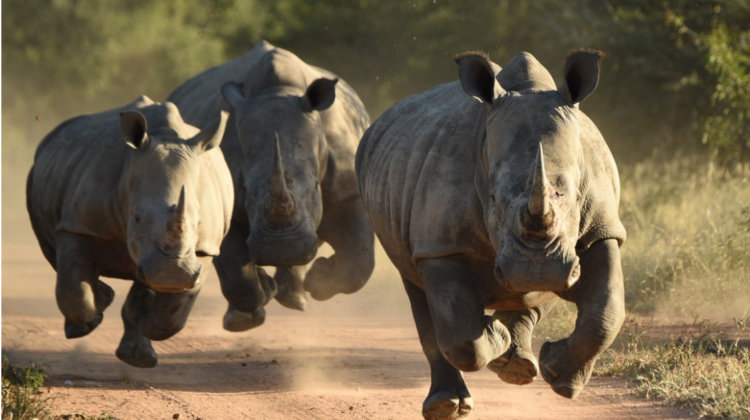
White rhinos are the largest species of rhinos and one of the heaviest land mammals, with males weighing between 1700kgs to 2500kgs and females relatively smaller, ranging between 1400kgs to 1700kgs. Additionally, they are approximately 4 to 5 meters from head to tail and stand about 1.5 to 1.8 meters tall at the shoulder. They have a broad square shaped mouth adapted for grazing on grass and large flat teeth for grinding tough plant material, unlike the black rhinos that have pointed hooked mouth for browsing shrubs and bushes. Furthermore, white rhinos have a distinctively folded tough skin which provides some armour-like protection. They are typically grey or light brown in colour with the folds giving them a rugged appearance. White rhinos primarily feed on grass and shrubs and are often seen near water sources such as rivers, lakes and wetlands. Basically, they are known to wallow in mud or water in an attempt to cool down because their thick tough skin tends to get very hot. Also, they tend to be more social than other rhino species as males and females are often seen in groups, especially the females with calves. On the other hand, they are territorial, with males marking their territories using urine, dung and scent glands. In addition, the have quite a long gestation period of 15 – 16 months, one of the longest in the animal kingdom yet a single calf is born at a time. Rhinos are slow moving animals; however, they can run faster when they feel threatened. Meanwhile, they have a keen sense of hearing, often using vocalisations like grunts, snorts, growls to communicate. Notably, rhinos have a poor eye sight, and can only see up to about 30meters clearly, that is why they depend on their other senses like hearing. They can live up to 40-50 years in the wild depending on the species and environmental conditions.
Note:
While rhinos are not naturally aggressive, they are highly dangerous when they feel threatened. Their size, speed, territorial instincts and ability to charge make them capable of inflicting serious harm. However, under normal circumstances, rhinos will generally avoid humans unless provoked. In conclusion, rhinos usually are not a direct threat to humans as long as guidelines are followed.
Rules and regulations before and during rhino tracking
- All rhino tracking must be done with a trained guide.
- Only 8 people are allowed per group to help reduce disturbance to the rhinos and ensure a more intimate experience.
- Keep your voices low and switch off or silence mobiles to avoid scaring the rhinos.
- Stay in the company of the group.
- When the rhinos become aggressive, follow the guide’s lead. • Keep a good distance of about 10 meters away from the rhinos.
- Avoid flash photography as it can startle the rhinos and cause stress, always ask for permission before taking photos especially when the rhinos are close by.
- Do not litter to avoid disturbing the natural habitat.
- Respect the limit imposed on the time that visitors are allowed with the rhinos to minimise the risk of causing stress to the animals.
- Don’t look the rhinos directly in the eye.
- Don’t point or wave your arms as this can be seen as a threat.
- Do not attempt to feed, touch or provoke the rhinos.
- Do not smoke.
- Don’t eat or drink while near the rhinos.
- Avoid running, sudden movements and shouting, as this may provoke the rhinos.
- Do not bring firearms, drones, pets or any items that might cause suspicion.
- Avoid tracking if you have a cold or any infectious diseases to prevent transmission to animals.
What to bring/ wear
- Rhino tracking permit.
- National Identification Cards.
- Closed shoes or hiking boots.
- Long pants and long-sleeved shirts to protect against vegetation and insects.
- Drinking water to keep hydrated.
- Raincoat in case of weather changes.
- Light, neutral-coloured clothes, avoid bright colours.
- Hat and sun glasses.
- Insect repellent.
The biodiversity of Ziwa Rhino Sanctuary
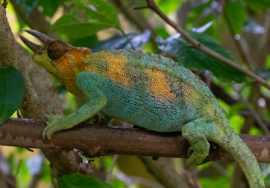
While rhinos are the focal point, the Ziwa Rhino Sanctuary is an area of rich biodiversity situated in a savannah ecosystem with a mixture of grasslands and wetlands. This ecosystem supports both the rhinos and other wildlife species. The sanctuary hosts over 40 mammal species including the oribis, Uganda Kob, waterbuck, bushbuck, reedbuck, vervet monkeys, bushbabies, warthogs, bushpigs, scrub hares among others. It is also home to various reptiles like the crocodiles, tortoises, chameleons, geckos among many others. Furthermore, Ziwa Rhino Sanctuary is a birdwatchers’ paradise with over 300 bird species notably the guinea fowl, the great sparrowhawk, emerald spotted wood dove, African green pigeon among others.
Other activities done at the Ziwa Rhino Sanctuary
Other than rhino tracking, other activities done at the Ziwa Rhino Sanctuary include the following;
Bird watching
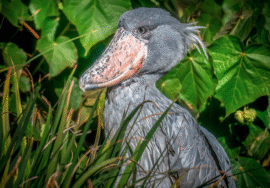
The sanctuary is home to over 300 bird species including the rare and elusive shoebill stork making it a prime destination for bird enthusiasts. As a matter of fact, Ziwa Rhino Sanctuary offers a shoebill trek where visitors embark on a canoe ride through the wetlands in the early morning hours, around 6:00am. By the help of experienced birding guides, tourists have the chance to observe shoebills and other bird species in their natural setting. The marabou storks, pied kingfishers, Abyssinian ground hornbills, African grey hornbills, African pygmy kingfishers, white crested turacos, broad billed rollers, red billed oxpeckers, African black crake among others are some of the birds that can be seen at the sanctuary.
Nature walks
Guided nature walks around the sanctuary offer a chance to explore the surrounding flora and fauna allowing visitors to observe the natural habitat that rhinos and other animals depend on. The sanctuary offers day and night hikes with the day hikes being available daily from 7am to 5pm while night walks ore offered between 8pm to 11pm. One will also be able to learn about local plants and their medicinal value or cultural significance.
Camping
The campsites are pristine and located very close to the main building with electricity generated from hydroelectric power and solar power, providing all the rooms with light and warm water for showers. One can also charge their mobile phones and camera batteries as required upon requests.
How to get there
The Ziwa Rhino Sanctuary is located in Nakasongola district, 176km from Kampala on the Gulu highway towards Murchison Falls National Park, easily accessible all year round.
Best time to visit the sanctuary
The sanctuary is open all year round but the best time to visit is during the dry season because of a better wildlife view, clear photography, comfortable tracking conditions, easier access to the sanctuary and reduced mosquitoes and insects. The dry season usually runs from December to February and from June to September.
Entrance and activity fees
Entrance fees to the sanctuary basically covers entry, guided tours and other activities while specific fees depend on the activity one chooses for example a shoebill trek, birdwatching, nature walks or rhino tracking. The entrance fees cost $20 and rhino tracking cost $30 for the foreign non-residents, UGX 10000 and UGX 20,000, respectively for the East Africans.
Accommodations
The sanctuary offers affordable accommodations for all kinds of guests, ranging from the luxury chalets, guest houses to the campsites and dormitory rooms.