Lake Katwe: Where Salt, History and Tradition meet
A Glimpse into Lake Katwe
Introduction
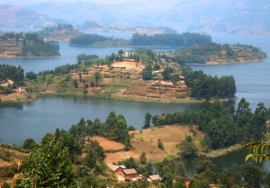
Located in the district of Kasese in southwestern Uganda within Queen Elizabeth National Park, Lake Katwe is a hypersaline crater lake, renowned for its high salt concentration and rich history of salt mining by the local communities. It is situated within the Katwe-Kikorongo volcanic field which is home to a group of crater lakes in the region, notably; lake Munyanyange, lake Nyamunuka, lake Bunyampaka, Lake Kikorongo.
History
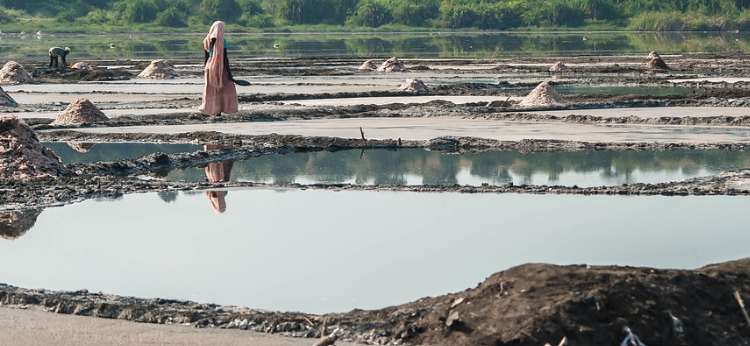
Lake Katwe has been a source of salt for centuries and the mining activities began long before colonial rule to this day, with miners working in difficult and hazardous conditions. The lake was formed in a volcanic crater and overtime, it filled with saline water which evaporated forming large salt deposits. The salt extracted from the lake has been a major economic resource for local people, particularly the Bakonzo and Banyabindu ethnic groups. Presently, visitors to lake Katwe can witness the traditional methods still used to extract salt using rudimentary tools like wooden scoops and baskets. Miners labour in the heat, collecting salt from the lake’s surface and then leaving it to dry under the sun, a process which has remained largely unchanged over the centuries hence a glimpse into the timehonoured techniques.
More than just a salt mine.
Beyond its cultural and economic importance, lake Katwe is a place of natural beauty, surrounded by lush hills and volcanic craters hence providing a stunning backdrop for visitors. The shimmering salty water reflects the surrounding landscape offering excellent opportunities for photography and peaceful contemplation. Its unique terrain and positioning within Queen Elizabeth National Park, coupled with the lake’s soft glow at sunrise or sunset make it an excellent spot for nature lovers.
Experiences around Lake Katwe.
Salt mining tours.
Lake Katwe has been a centre of salt extraction for centuries and this is one of the most fascinating activities in the area. Tourists explore this ancient industry by observing the traditional mining methods still used today where local miners use basic tools like wooden scoops, baskets and rudimentary stone tools to extract salt from the lake. Additionally, tourists are guided through the process, starting with how the salty water is collected, harvested and dried. The tours are an educational journey into the local culture, where the visitors can witness the physical labour involved and hear stories from the miners themselves.
Birdwatching.
Despite its salinity, the lake and its surrounding wetlands attract various bird species including herons, flamingos and pelicans along with other species that thrive in the lake’s environment. Early morning is the best time for birding as the calm waters reflect the birds in flight, offering a rewarding experience for both experienced bird enthusiasts and casual observers.
Photography.
The striking landscape and unique salt mining activities make photography one of the most popular activities at lake Katwe featuring the lake’s deep blue waters, surrounding crater hills and salt flats, creating visual captivating scenes. Photographers capture dynamic sunsets, miners at work and the stunning contrast between the green hills and salt fields. Also, the lake’s birdlife, particularly flamingos and pelicans provide incredible photo opportunities.
Sunset viewing.
The area around Lake Katwe is ideal for watching the sunset as the sun dips below the hills surrounding the lake, creating breathtaking array of colours across the sky and the lake’s surface. For those staying near the lake, sunset viewing is an unmissable experience, offering a moment of quiet reflection or simply enjoying the beauty of nature.
Nature walks.
Nature walks around the lake offer an excellent opportunity to explore the natural surroundings, take in the scenery and learn about local flora and fauna. These walks allow visitors to tour the volcanic terrain, wetlands and surrounding hills with knowledgeable guides sharing insights about the local environment. Also, one may encounter small wildlife, learn about the geology of the area and enjoy the fresh air while taking in the panoramic views of the lake.
How to get there
To get to Lake Katwe, one has to go through Queen Elizabeth National Park
Kampala – Masaka – Mbarara – Kasese.
Health hazards of salt mining.
Though economically important, salt mining poses health risks to the miners notably; skin irritation and burns, eye irritation, dehydration, heat stress, respiratory issues, back and joint pain, chemical exposure and reproductive health risks.