Up close with Reptiles in Entebbe
Located a few kilometres from Entebbe Road in Bunono, Reptile Village Entebbe stands out as one of Uganda’s most unique conservation and education centres, offering an enriching experience for locals, tourists and school groups. In particular, its distinction lies in the combination of conservation, education, community engagement and human-wildlife coexistence. It is not just a place to view reptiles in enclosures that mimic their natural habitat, but also serves as a hub for herpetological education, research and wildlife rescue in a country where reptiles are often misunderstood or feared. Thus, the centre advocates for safe handling, habitat protection and community awareness, helping to reduce unnecessary killings of snakes and other reptiles in Uganda.
How it started.
Reptile Village Entebbe was founded in 2002 by Yasin Kazibwe, a passionate herpetologist and conservationist, in response to increasing cases of reptiles being killed due to fear and misinformation. Initially, it started with a humble beginning and a mission to educate the public, rescue reptiles and promote coexistence between humans and reptiles. Without any initial government support, it relied on local community support and individual donors. Over the years, it has grown into one of the most recognized reptile rescue and education centres in Uganda, often featured in environmental campaigns and school field trips.
Reptile highlights.
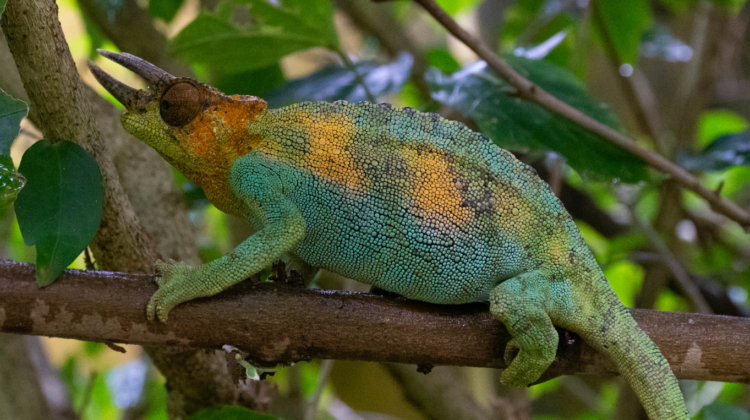
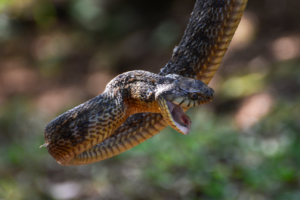 Reptile village is home to over 50 reptiles from over 20 species, many of which were rescued from urban or rural areas and are non-releasable. Furthermore, each species is housed in naturalistic enclosures with clear labels and information about their behaviour, habitat and role in the ecosystem. Some of the reptiles that call this place home include; venomous snakes like the puff adder, black mamba, forest cobra, boomslang, Gaboon viper among many others; non-venomous snakes like the African rock python, egg-eating snake, brown house snake among others; monitor lizards, Nile crocodiles, tortoises, turtles, chameleons, geckos, not to mention but a few.
More that just a reptile sanctuary.
While reptiles are the primary focus, Reptile Village supports a thriving micro-ecosystem that goes far beyond its scaly residents. The facility’s carefully curated environment nurtures a range of other forms of life that contribute to ecological balance and biodiversity. The wetlands and small ponds on site provide ideal breeding grounds for frogs and toads, whose calls echo through the facility, especially during the rainy season. These amphibians, in turn, attract a variety of insect species, dragon flies, beetles and butterflies that flourish in the moisture-rich environment and help pollinate flowering plants. Birds such as sunbirds, weavers, and pied crows are frequent visitors, drawn by insects and natural fruit-bearing vegetation, creating opportunities for birdwatching and natural pest control. The forested and shrub-lined paths shelter small mammals like squirrels.
What makes Reptile Village unique?
- A sanctuary for rescued reptiles.
Unlike typical wildlife parks, Reptile Village plays a pivotal role rescuing and rehabilitating reptiles that are either found in dangerous situations or displaced due to human-wildlife conflict. Moreover, the centre houses over 50 species, many of which have been rescued from the wild or brought in from homes where they were at risk of being killed due to fear, misunderstanding or persecution. The sanctuary is essential in providing safe refuge for reptiles that cannot be released back into the wild due to injury or domestication.
- A focus on education and creating awareness.
One of the most unique aspects of reptile village is its dedication to educating the public, especially locals and children, about reptiles and their ecological importance. Through guided tours, visitors are given insights into the role of reptiles in local ecosystems, particularly in controlling pests and maintaining biodiversity. Guides at Reptile Village are not just caretakers, they are passionate educators who have in-depth knowledge of reptiles, their behaviour and how they interact with the environment. In addition, the centre is actively involved in local communities, working with schools to sensitize children about snakebite prevention, dispelling myths about venomous creatures and teaching the importance of coexisting with wildlife.
- Promoting Human-wildlife coexistence.
Uganda, like many parts of the world, faces significant challenges when it comes to human-wildlife conflict. In many rural communities, reptiles, especially snake, are killed out of fear, with little understanding of their ecological or non-aggressive nature. This is where Reptile Village stands at the forefront of promoting peaceful coexistence between people and wildlife through outreach program among others.
- Role in conservation and sustainability.
Reptile Village partners with local environment groups and stakeholders to support reptile-friendly policies and initiatives in Uganda. Moreover, the centre also serves as a model for conservation efforts at the local level, demonstrating how small-scale conservation projects can have significant impact on biodiversity preservation.
- A peaceful retreat for eco-tourists.
Unlike other wildlife centres that focus on larger animals, Reptile Village appeals to eco-tourists and those interested in unconventional wildlife experience. The centre’s tranquil atmosphere offers a perfect blend of education and relaxation, attracting those who want to learn about Uganda’s natural heritage while enjoying a peaceful day out.
- Hands-on experience.
While many tourists visit Uganda for its big-game safaris or the rainforest of Bwindi, Reptile Village offers something completely different, an intimate hands-on experience with reptiles. This allows visitors to interact with creatures that are often feared and misunderstood, with a chance to touch and hold non-venomous snakes, monitor lizards and even tortoises.
Experiences at Reptile Village.
- Guided Educational tours.
This is one of the most fundamental activities at Reptile Village where every visitor is taken on a guided walk around the centre by one of the experienced staff members. These guides provide fascinating details about each reptile species explaining their natural behaviours, feeding habits and roles in the ecosystem. One will learn a lot about venomous snakes, non-venomous snakes, monitor lizards among others. Furthermore, they discuss conservation challenges facing reptiles in Uganda and beyond, including habitat destruction, poaching and climate change impacts that threaten reptile populations.
- Hands-on experience with non-venomous reptiles.
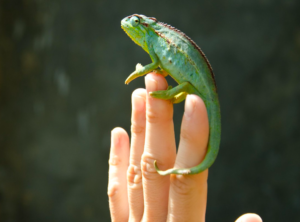 Reptile Village prides itself on providing visitors with the unique opportunity to interact with certain reptiles, primarily those that are non-venomous. These interactions are designed to reduce fear and build appreciation for reptiles through holding or touching them, under the supervision of trained staff.
Also, visitors are able to photograph reptiles in their enclosures.
- Nature walks around the facility.
While the focus is on reptiles, reptile village is located in a lush tranquil environment surrounded by local flora and birdlife, making it ideal for nature enthusiasts. During nature walks, one can observe local birds such as hornbills, kingfishers, eagles, among many others; learn about local plants and be able to relax and unwind.
- Bird watching.
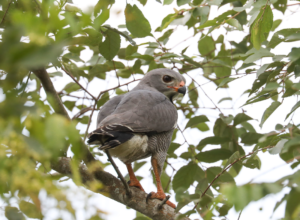 Birdwatching at Reptile village offers a unique opportunity to observe a variety of native bird species in a natural, lush environment. In fact, the tranquil surroundings and diverse habitats attract both resident and migratory birds, making it a popular spot for bird enthusiasts, some of the notable species include the striking African grey parrot, Abyssinian ground hornbill among others.
- Educational school programs.
Reptile village offers structured educational programs tailored specifically for school groups and youth organisation, to teach children about snakebite prevention, ecological importance of reptiles and benefits of conservation. These programs include snakebite First Aid training, where students are taught to recognise symptoms of snake bites and apply basic first aid measures; interactive lessons where students are encouraged to engage with the reptiles, learn about their cycles, behaviours and habitats and hands-on conservation workshops like creating habitat-friendly environments for reptiles, understanding the dangers of poaching and discussing the impact of climate change on reptile populations.
- Community outreach programs.
Due to their passion for rescuing reptiles, this facility is deeply involved in community outreach, educating locals on safe ways to interact with reptiles and how to relocate them safely without harm. As part of the program, reptile relocation training, cultural education (where misconceptions about reptiles caused by cultural beliefs and superstitions are corrected) and snakebite prevention are all covered.
- Eco-tourism and photography.
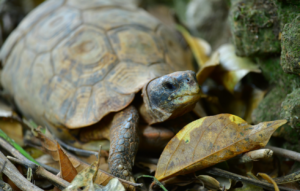 For those who prefer a more relaxing experience, Reptile Village offers an eco-tourism experience that combines wildlife appreciation and photography. Visitors are encouraged to take photos of reptiles in their naturalistic enclosures, relax in nature on the shaded seating areas while listening to the sounds of nature, enjoy a tranquil environment and also support conservation efforts through a portion of fees collected from eco-tourists to help fund conservation projects.
- Reptile care.
For a more immersive experience, Reptile Village offers behind-the -scenes tours that allows visitors to go beyond the standard tour and see how the reptiles are cared for. These tours include participating in feeding sessions, habitat maintenance and rehabilitation efforts.
- Volunteer program.
Reptile Village offers a volunteer program for those wishing to spend more time at the centre and gain practical experience. Volunteers assist with reptile care including feeding, cleaning and maintaining enclosure, research like monitoring reptile behaviour, conducting studies on species in the facility and community outreach. This is a great opportunity for eco-tourists, conservation students and anyone with an interest in reptiles to get hands-on experience while contributing to meaningful conservation work.
Conclusion.
Reptile Village offers a rare opportunity to learn about and connect with some of Uganda’s most misunderstood wildlife. Through education, conservation and community engagement, it plays a vital role in promoting coexistence between humans and reptiles. A visit here is not only enlightening but also a meaningful step toward protecting Uganda’s rich biodiversity.