Lake Bunyonyi, nature at its most magical
A brief about Lake Bunyonyi.
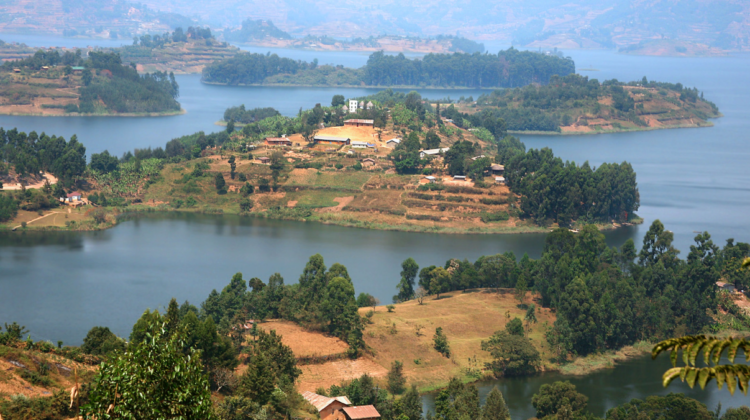
Lake Bunyonyi, one of the most beautiful freshwater lakes in East Africa is situated in southwestern Uganda, in Kisoro and Kabale districts close to Rwanda. It measures approximately 25km long, 7 km wide and 40metres deep, covering an area of about 18 square miles. Famous for its striking beauty, the lake is surrounded by rolling green hills and dotted with 29 small islands of varying shapes and sizes. Also, it is known for its calm, bilharzia-free waters, making it safe for swimming. Over 200 bird species have been recorded here hence the name “Bunyonyi” meaning “place of many little birds.” Not only is the lake a popular retreat for travellers seeking tranquility, nature experiences and cultural encounters but also its historical significance for example, one of its islands, Akampene was once used to punish unmarried pregnant girls.
History of lake Bunyonyi.
Historically, the lake is famous for the dark tradition of the punishment island (Akampene) where pregnant unmarried girls were abandoned to meet their fate as a warning to others until the 20th century. Other than this, Lake Bunyonyi served as a fishing centre, an area for small scale farming and inter-community trading. The surrounding Kabale region grew as an administrative and agricultural hub, but lake Bunyonyi remained relatively untouched hence retaining its natural beauty and cultural significance.
Formation of the Lake.
Lake Bunyonyi was formed approximately 18000 years ago during the late Pleistocene period as a result of intense volcanic activity in southwestern Uganda. The nearby Virunga mountains, part of the East African Rift valley system, experienced eruptions that produced lava flows blocking the courses of pre-existing rivers and streams in the region. A significant dam was created in the Kabale Valley preventing normal drainage, leading to the formation of a lake as a result of rain water and ground water collecting behind this barrier overtime. Furthermore, the steep surrounding hills suggest that the basin may have originally been a valley or a series of smaller depressions that merged as water levels rose. Though no official measurement has confirmed it, Lake Bunyonyi is thought to be very deep, about 900 metres but currently the proposed depth is about 40metres. In addition, the scattered 29 islands within Lake Bunyonyi were formed through a combination of raising water levels and the submergence of hilltops and ridges that previously dotted the valley floor.
Island on Lake Bunyonyi
Akampene Island.
Also known as Punishment Island, Akampene holds a sombre place in the cultural history of the Bakiga people. Traditionally, unmarried girls who became pregnant were abandoned here as a form of punishment, facing death or alternatively, the hope of rescue by suitors unable to afford bride prices. This practice was abandoned in the 1940s, largely influenced by changing societal norms and missionary efforts. Today, the island is shrinking due to natural erosion, and local legends attribute this to the spirits of the abandoned girls. Visitors can view the island during guided boat tours which offer a chance to reflect on its haunting past amidst the serene lake setting.
Bushara Island
This island, renowned for its rich birdlife, is a haven for birdwatchers. It is also home to Lake Bunyonyi Development Company which is affiliated with the Church of Uganda; therefore, the island promotes eco-tourism and community development. Tourists can enjoy accommodations ranging from luxury tents to campsites, and engage in activities like canoeing and hiking. The island’s eucalyptus forest showcases reforestation efforts, though the species’ impact on soil fertility is a topic of environmental discussion.
Bwama Island
Remarkably, this is the largest on Lake Bunyonyi and has a significant medical history. In 1931, Dr. Leonard Sharp, a Scottish missionary, established a leprosy treatment centre here to isolate and care for patients. The hospital structures have since been repurposed into educational facilities, and now serve as a secondary boarding school and a primary school. The island remains inhabited, offering visitors a glimpse into its transformative journey from a medical sanctuary to an educational hub.
Kyahugye Island
Kyahugye island stands out as the only island on Lake Bunyonyi hosting wildlife featuring animals like zebras, impalas, waterbucks, and Uganda Kobs, introduced to create a mini wildlife reserve. The island’s diverse vegetation includes eucalyptus, pine, and cypress trees, thus contributing to its lush landscape. Tourists can participate in guided nature walks, bird watching, and also enjoy panoramic views of the lake and surrounding hills from the island’s elevated points.
Bucuranuka Island
This is steeped in folklore, tied to a moral legend that the island flipped upside down, drowning a group of men who refused to share their local brew with an old woman, believed to be a sorceress. This tale gives the island its name, meaning “Upside Down” in the local Rukiga language. Today, the island’s mysterious past and scenic beauty make it a popular stop for boat tours, offering visitors a blend of myth and natural splendour.
Njuyeera island.
Njuyeera Island, also known as Sharp’s Island, is historically significant due to its association with Dr. Leonard Sharp, a British missionary who settled there in the 1920s. Dr. Sharp’s residence on Njuyeera Island served as a base for his missionary activities. Today, Njuyeera Island remains a tranquil retreat, with its lush vegetation and serene environment attracting visitors seeking solitude as well as a
connection with nature. The island’s name, “Njuyeera,” is believed to mean “white cottage,” reflecting the appearance of Dr. Sharp’s residence. Njuyeera Island offers opportunities for eco-tourism, including birdwatching, nature walks, and cultural interactions with the local community. The island’s relatively undeveloped status ensures that visitors can experience an authentic and unspoiled environment. Njuyeera Island stands as a testament to the enduring legacy of Dr. Sharp’s missionary work and to the resilience of its inhabitants.
Habuharo Island
It is one of the lesser-known yet charming destinations on Lake Bunyonyi, offering peaceful seclusion and stunning natural beauty. Furthermore, it hosts Habuharo Island Beach Resort, which provides midrange accommodation with cottages and tented camps. The island is popular among both local and international travellers seeking tranquil lakeside retreats, birdwatching, and scenic hikes. Unlike more commercialized islands, Habuharo retains a rustic, natural feel, with lush vegetation and panoramic views of surrounding hills. Cultural interaction is a highlight here, as visitors often meet locals and learn traditional fishing and farming practices. The island’s quiet ambiance makes it ideal for meditation, photography, and storytelling around a lakeside fire. Although tourism infrastructure is modest, its eco-conscious charm is part of the allure. Habuharo is a hidden gem waiting to be discovered by those venturing off the beaten path.
Itambira Island
Itambira island is known for combining community development with eco-tourism, making it one of the most impactful islands on Lake Bunyonyi. It is home to Itambira Island Treehouse Lodge, officially known as Itambira Island Seeds of Hope, a locally managed initiative offering treehouse accommodations and stunning lake vistas. The island focuses on sustainable tourism, partnering with the Friends of Itambira organization to support vocational training and women’s empowerment programs. Its forested terrain attracts nature lovers, birders, and those interested in Agro-tourism and cultural immersion. Guests are encouraged to participate in community life like visiting schools, gardens, and crafts workshops. The treehouse lodges themselves are designed to blend with the natural environment, emphasizing conservation and eco-architecture. Itambira is both a travel destination and a social enterprise model, exemplifying how tourism can positively impact local communities. It offers an inspiring experience for travellers seeking purpose, beauty, and connection. Nature’s Prime Island
Nature’s Prime Island is a serene retreat on Lake Bunyonyi, offering visitors a tranquil environment surrounded by the lake’s pristine waters and terraced hills. The island is known for its eco-friendly accommodations that blend seamlessly with the natural landscape, providing a perfect getaway for nature lovers. Guests can engage in activities like bird watching, canoeing, and hiking, immersing themselves in the rich biodiversity of the area. The island’s commitment to sustainable tourism ensures minimal environmental impact while supporting local communities. Visitors often praise the island for its peaceful ambiance and the opportunity to disconnect from the hustle of daily life. The management organizes cultural experiences, allowing guests to learn about the traditions of the Bakiga people. With its focus on conservation and community engagement, Nature’s Prime Island stands out as a model for responsible tourism in the region and an ideal destination for those seeking relaxation.
Bright Island
Basically, Bright Island is a vibrant destination on Lake Bunyonyi, celebrated for its lively atmosphere and engaging activities. The island hosts a range of accommodations catering for various budgets, making it accessible to a broad spectrum of travellers. Guests can enjoy recreational options such as swimming, kayaking, and guided nature walks, all set against the backdrop of the lake’s stunning scenery. Bright Island is also known for its cultural events, including traditional music and dance performances that showcase the heritage of the local communities. The island’s facilities are designed to provide comfort while maintaining harmony with the natural surroundings. Efforts are made to involve local residents in tourism activities, promoting economic development and cultural exchange. Visitors often highlight the island’s friendly atmosphere and the opportunity to engage with the vibrant culture of the region. Bright Island offers a dynamic experience for travellers seeking both relaxation and cultural immersion.
Ways to enjoy Lake Bunyonyi.
Canoeing on the calm waters
This is one of the best ways to experience lake Bunyonyi as you paddle across the lake’s calm waters in a traditional dug out canoe, glide between the islands and witness the stunning views of the surrounding hills. Guided tours can take you to places like Akampene island, Bwama island among others where you will hear fascinating stories about local history.
Swimming
Few lakes invite you to dive in in the way Lake Bunyonyi does with its clean, fresh and safe water; free from bilharzia, crocodiles, hippos and parasites. However, due to the lake’s depth, swimmers are advised to stay close to the shores unless they are confident swimmers. There are also designated shallow places for swimming which tour guides and different hotel managements lead their clients to as a safety measure.
Birdwatching
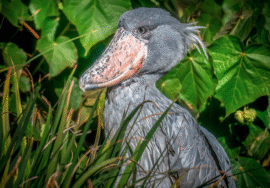
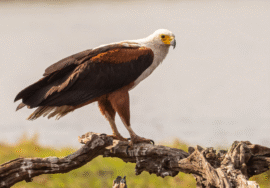
Birdwatching is a heavenly experience for bird enthusiasts given the fact that the lake area is home to over 200 rare bird species notably, the grey crowned crane, the kingfisher, the African fish eagle, speckled mousebird, pin-tailed Wyder, black-headed weaver, golden-backed weaver among others, that fill the air with colour and song. Whether by boat, on foot or from the comfort of your lodge balcony, birdwatching opportunities are extremely rewarding and endless, seconding the meaning of the lake’s name, “place of many little birds.”
Hiking and nature walks
Additionally, for those who prefer to stay on land, hiking around lake Bunyonyi offers spectacular views of the lake and the surrounding terraced hills. Local trails take one through the lush forests and small villages, presenting an opportunity to interact with the native people. Generally, the higher you hike, the better the scenic panoramic views of the lake below, encounters with medicinal plants and traditional farming practices, adding layers of knowledge to beauty.
Boat cruising and sunset views.
For a more relaxed exploration, boat cruising across Lake Bunyonyi offers sweeping, cinematic views especially a sunset cruise which is magical, as waters turn to gold and the surrounding hills silhouette against the fiery sky. On the other hand, on a motorboat, visitors can journey farther across the lake, hoping between islands while soaking in stories of local legends and history.
Community tours.
These tours offer a powerful glimpse into the everyday life and traditions of the Bakiga and Batwa peoples, foster deep human connections and more profound understanding of the landscape and its history. Visitors walk around the village learning how terraced farming sustains the community and reveals the hardworking nature of the Bakiga people, how traditional crafts are made and how cultural dances are performed to celebrate milestones. Storytelling is often a key part of the experience, with elderly people recounting tales of ancient migrations, battles and survival.
Mountain biking.
Though demanding, mountain biking around Lake Bunyonyi is a thrilling way to experience the lake’s rugged beauty offering endless opportunities to pause, rest and marvel at the surroundings. Cyclists tackle undulating trails that curve along the hillsides, dive into valleys and skirt the lakeshore.
Fishing experience.
Fishing at lake Bunyonyi is a simple peaceful pursuit where visitors can join local fishermen in their wooden canoes while learning traditional fishing techniques passed down over generations. The fish species in Lake Bunyonyi include; mud fish, cray fish, mirror carp, Nile perch and tilapia. The experience is less about the catch and more about the stillness of the early morning waters, watching the mist rise and feeling part of a slow, timeless rhythm of life.
Horseback riding.
Enjoy moving along dirt tracks that wind through open fields, banana plantations and shaded forest paths around the hills of lake Bunyonyi on a horse. The gentle sway of the horse, sound of hooves on the earth and the amazing panoramic views of the lake combine to create an unforgettable adventure. The riders are often accompanied by experienced guides who point out landmarks and local wildlife along the way therefore, even beginners can enjoy a ride here.
Camping on islands.
For ultimate getaways, one can consider camping on one of the lake’s peaceful islands surrounded by nothing but pure nature, falling asleep to the sound of birds and waves. Furthermore, some islands even offer dedicated camping spots where visitors can enjoy a night under the stars. For example; Itambira island, Byoona Amagara Island Retreat on Bwama island, Bushara island among others.
Bakiga cultural museum.
This is meant to educate visitors about the Bakiga culture, their traditional lifestyle, significance of the various items found inside like the spears, churning calabashes, traditional stools, among many others.
Additionally, it was built in 2002, an exact duplicate of the Bakiga homestead.
How to get there
By road.
Kampala – Mbarara – Kabale – Lake Bunyonyi approximately 7.5hrs.
Conclusion.
Whether you are an adventure seeker, nature lover or cultural enthusiast, Lake Bunyonyi has something to offer to everyone, right from Kayaking on its serene waters to hiking its lush hills. One can also immerse themselves in local traditions, otherwise, there is no shortage of ways to explore this magical destination.